117 years of brand.
Four weeks to fix the website.
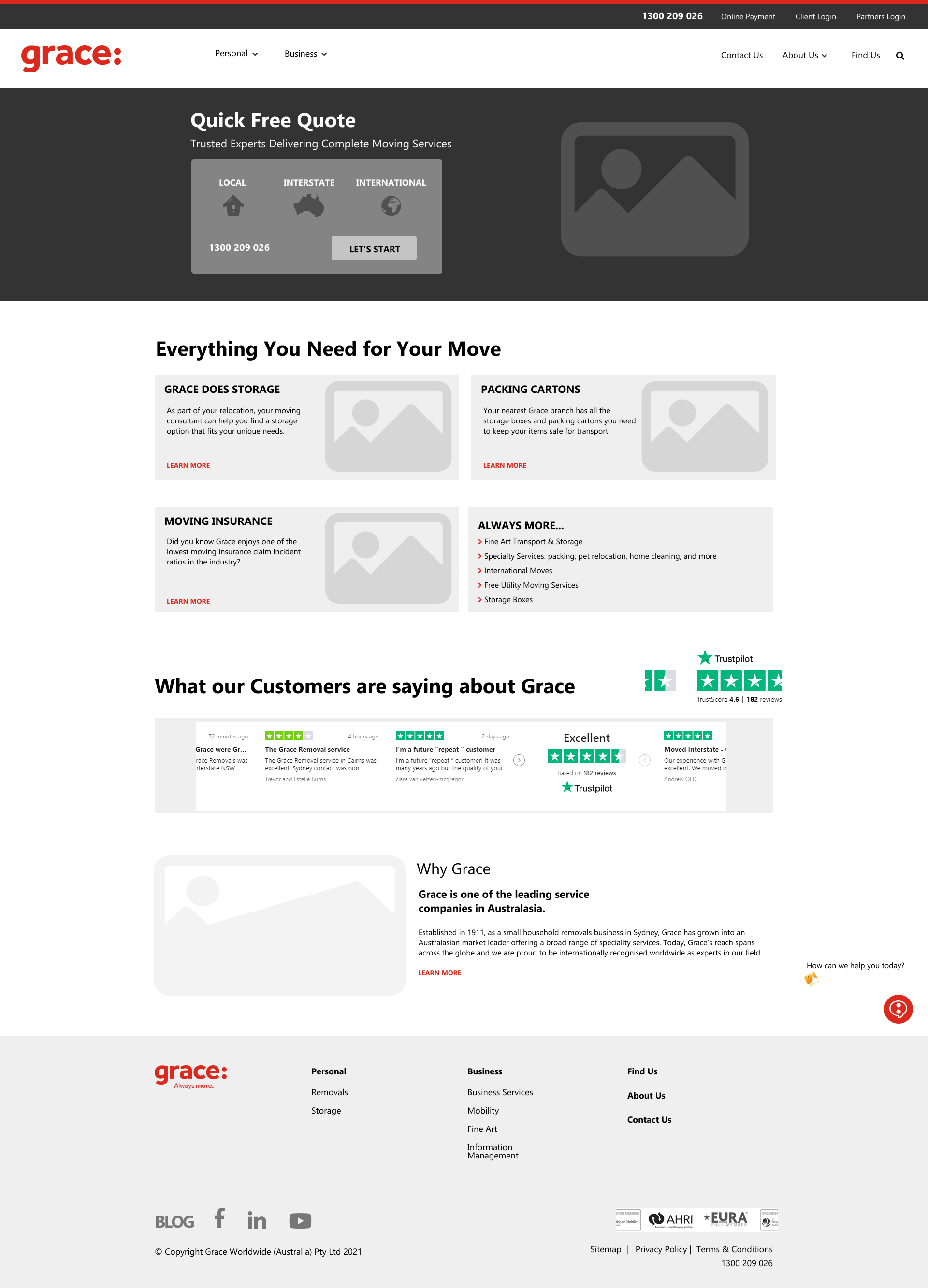
Grace is Australia's leading provider of integrated asset moving and management — a 117-year-old brand spanning removals, fine art, records management, self storage, mobility and commercial logistics across Australasia and beyond. Despite the breadth of the business, their website treated everyone the same: one voice, one column layout, no distinction between a family moving house and a corporation relocating an office.
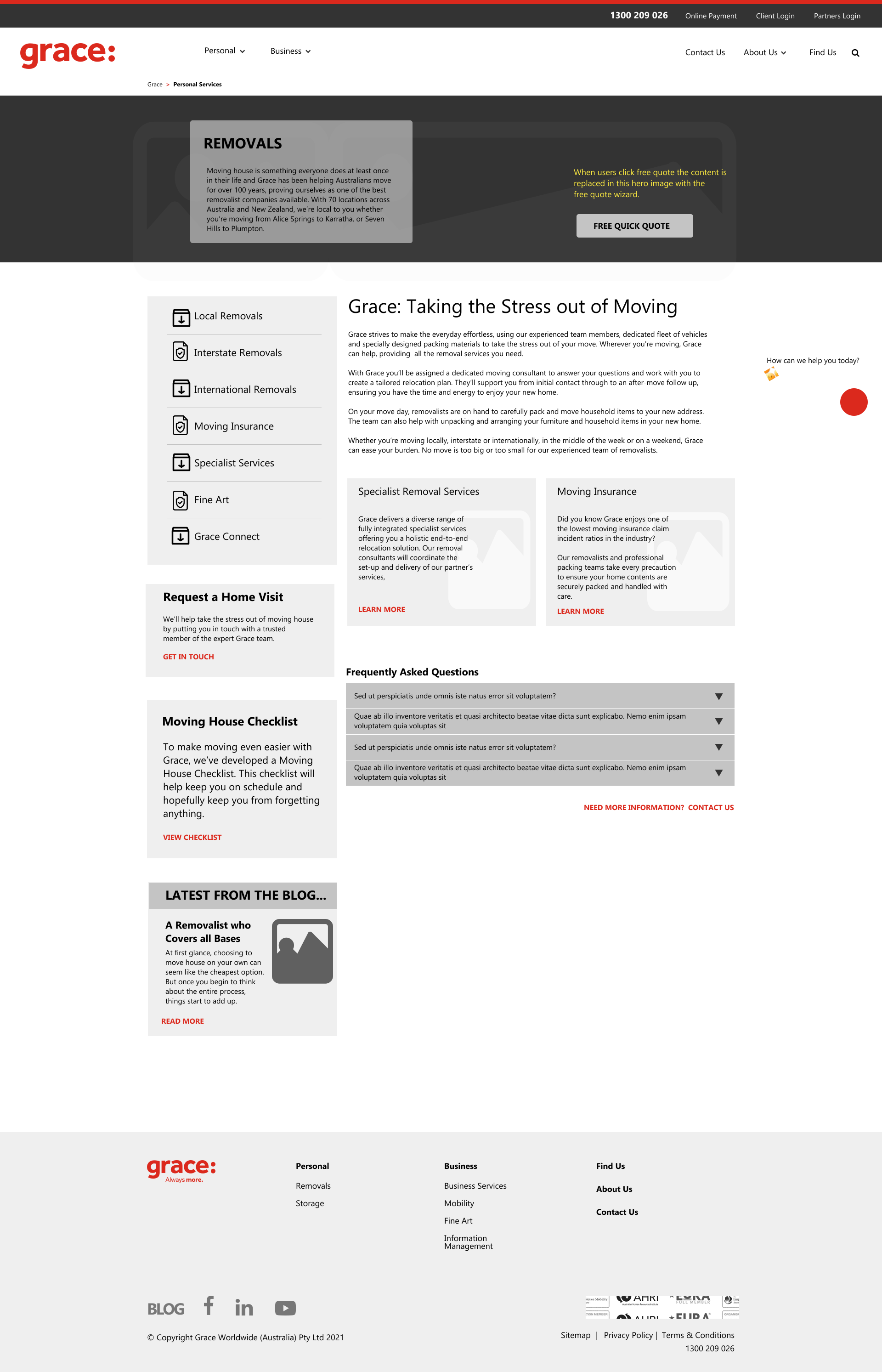
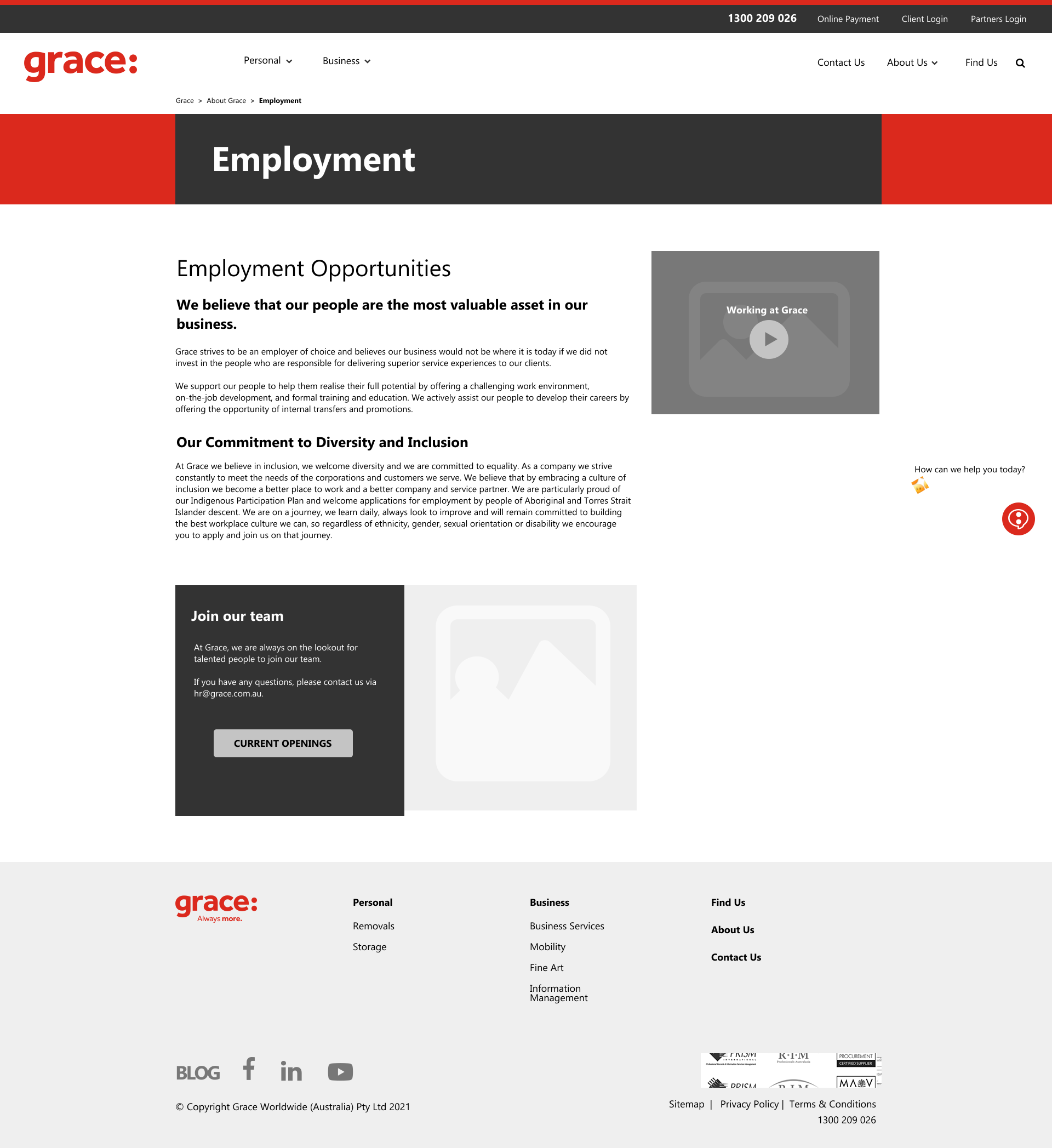
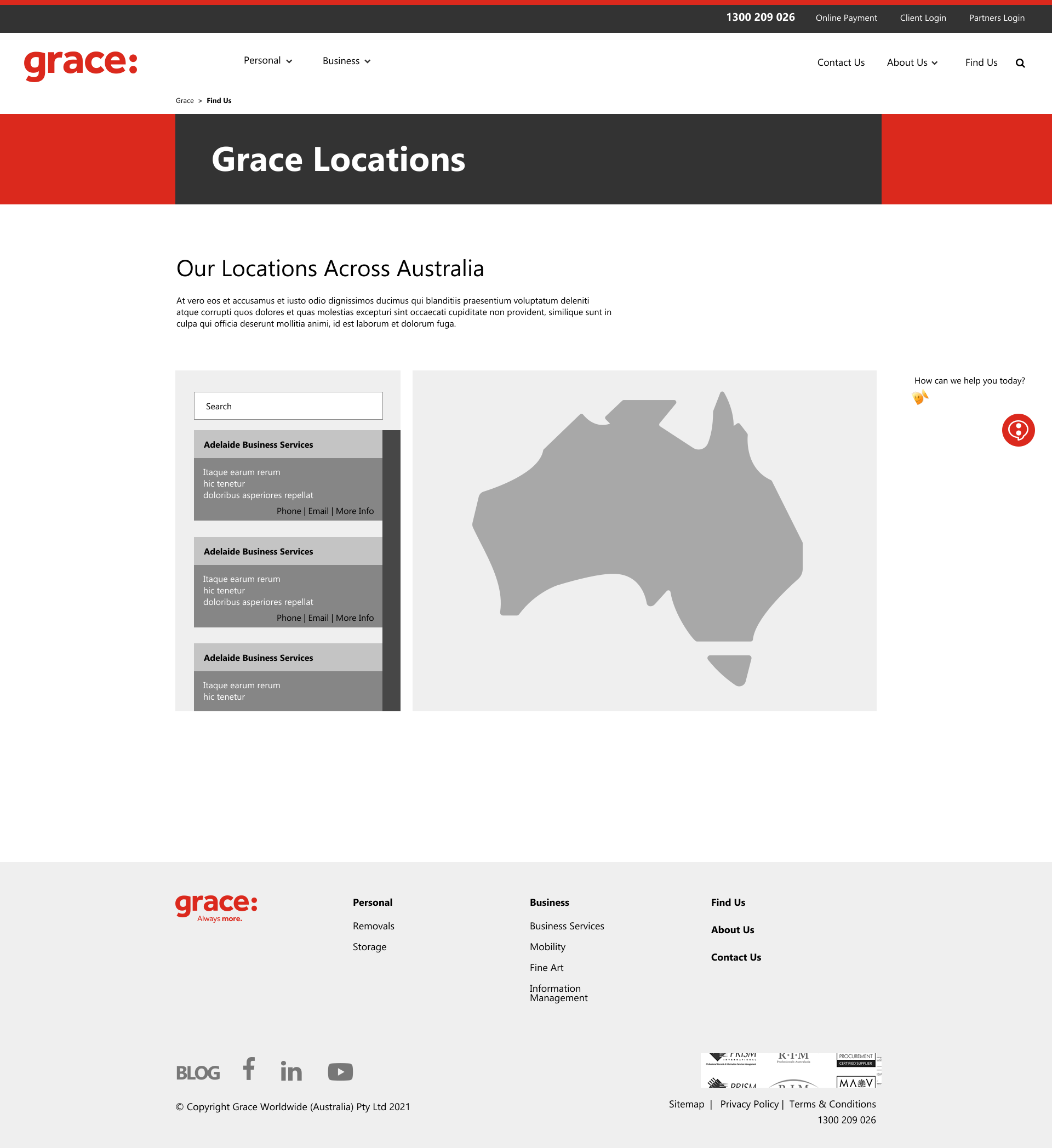
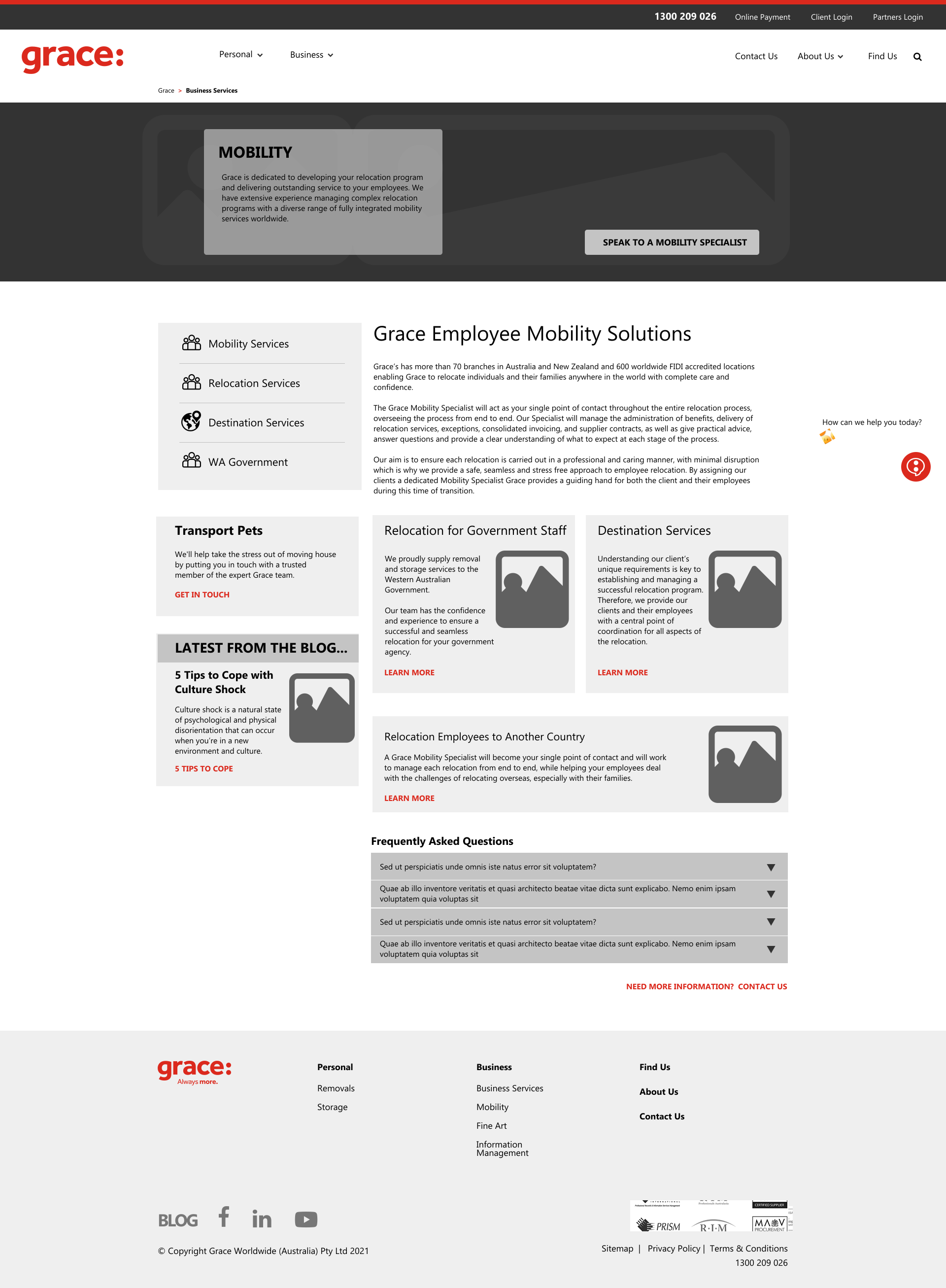
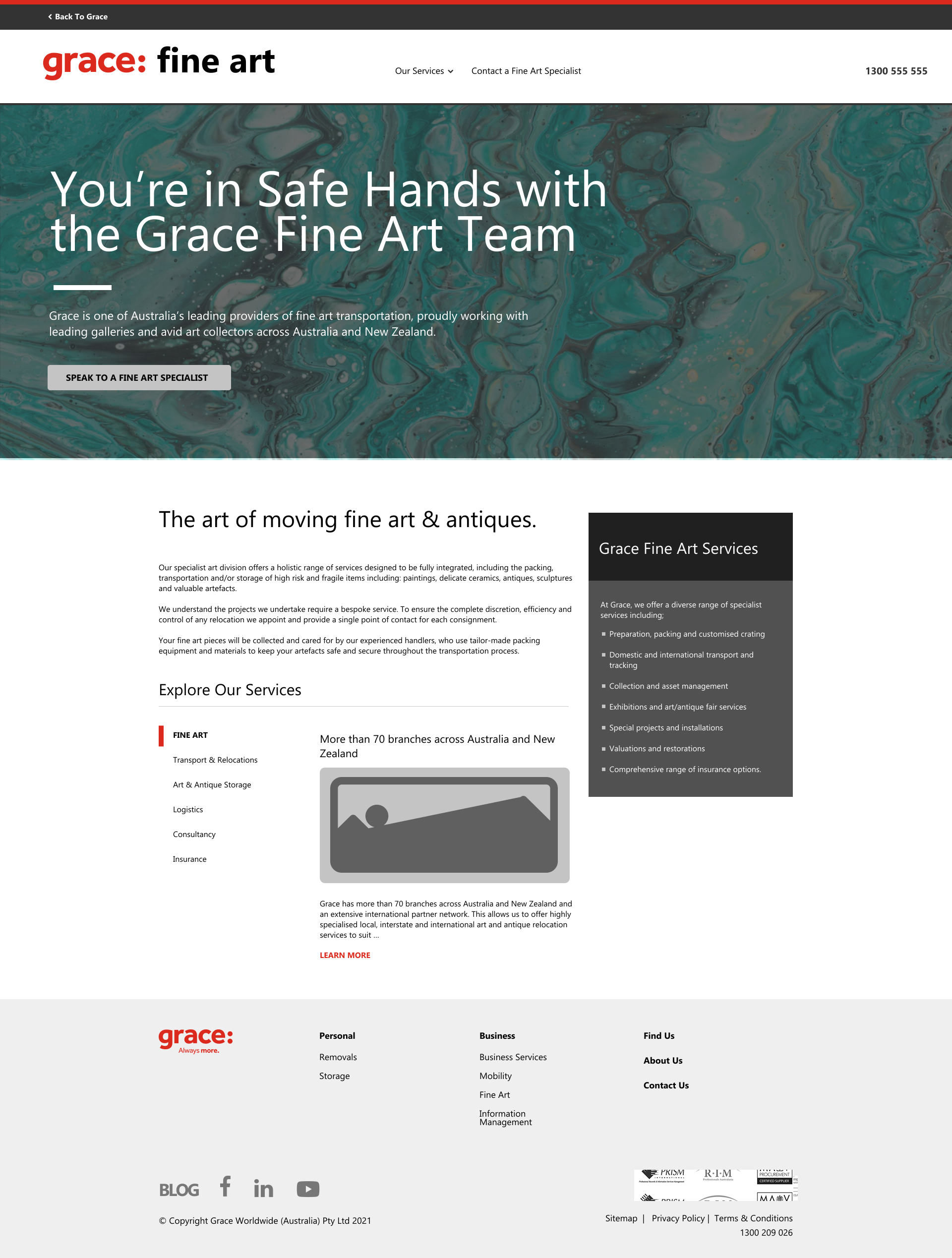
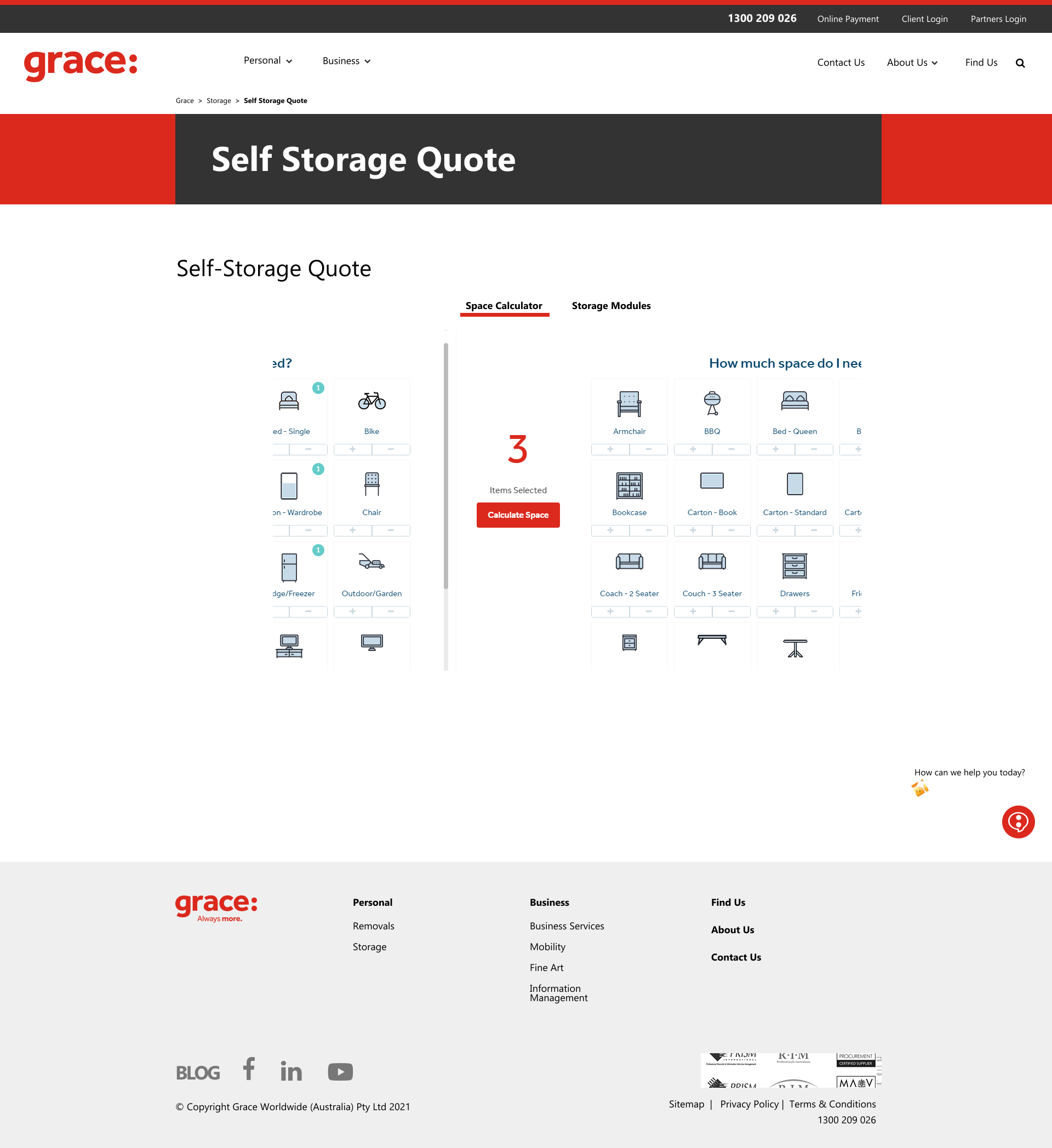
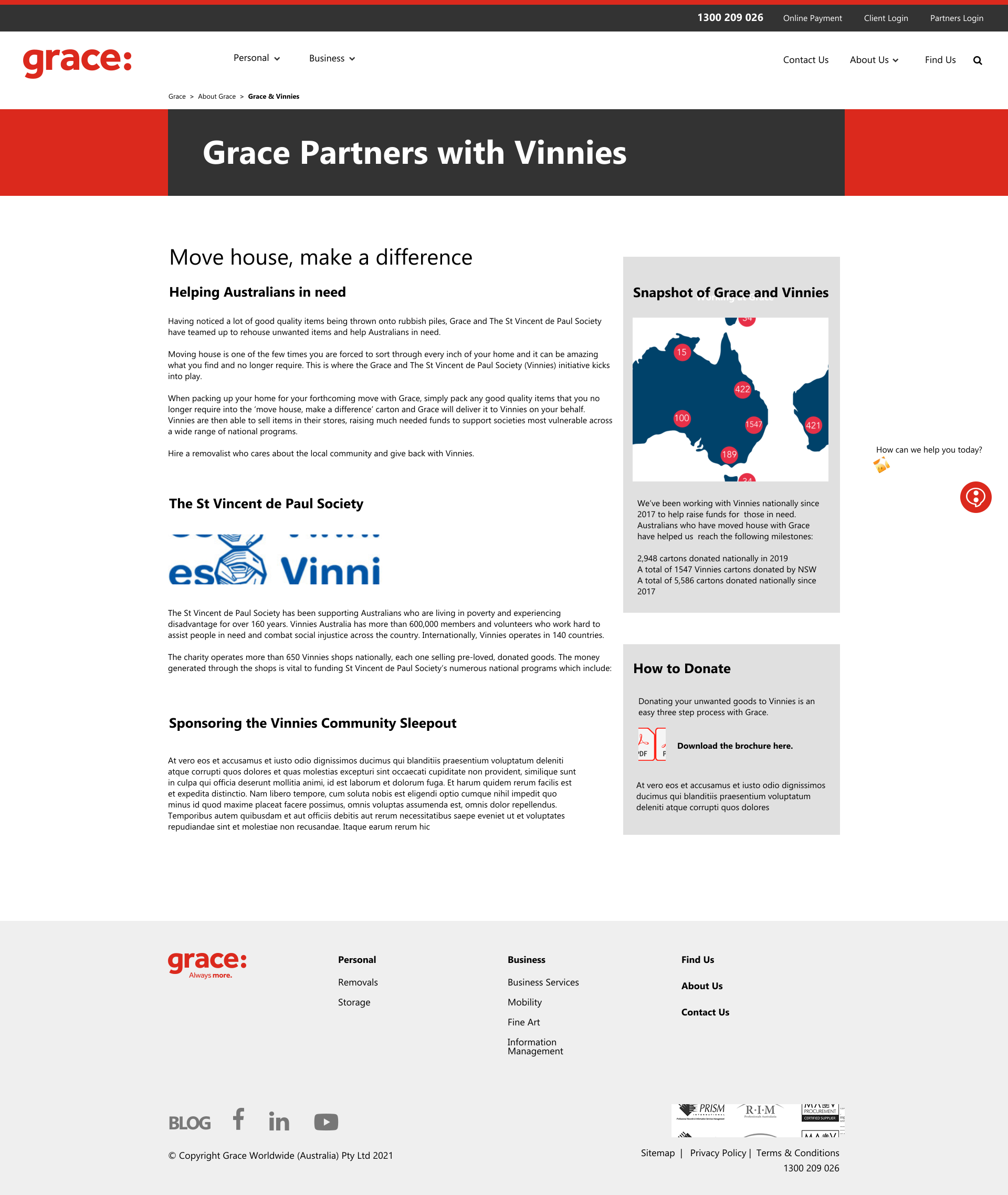
I was engaged for a focused four-week UX sprint — contracted through the agency managing the broader rebrand — to restructure the site's experience from the ground up. Low-fidelity wireframes and prototypes for desktop and mobile were delivered for handoff, covering the full information architecture, a new dual B2C/B2B structure and a redesigned navigation system.
One website.
Two completely different audiences.
Stakeholder workshops and a site audit quickly surfaced the core problem: Grace was speaking to a residential family and a corporate CIO in exactly the same voice, on the same pages, with the same navigation. A B2C customer booking a home removal has an emotional, time-sensitive decision cycle. A B2B procurement manager evaluating records management has a 12-month account-driven process. Designing for both from the same template was failing both.
Workshop focal points also identified that key commercial services — office relocations, archive storage, information management — were buried and effectively invisible, despite representing significant revenue opportunity for the business.
Workshop Focal Points
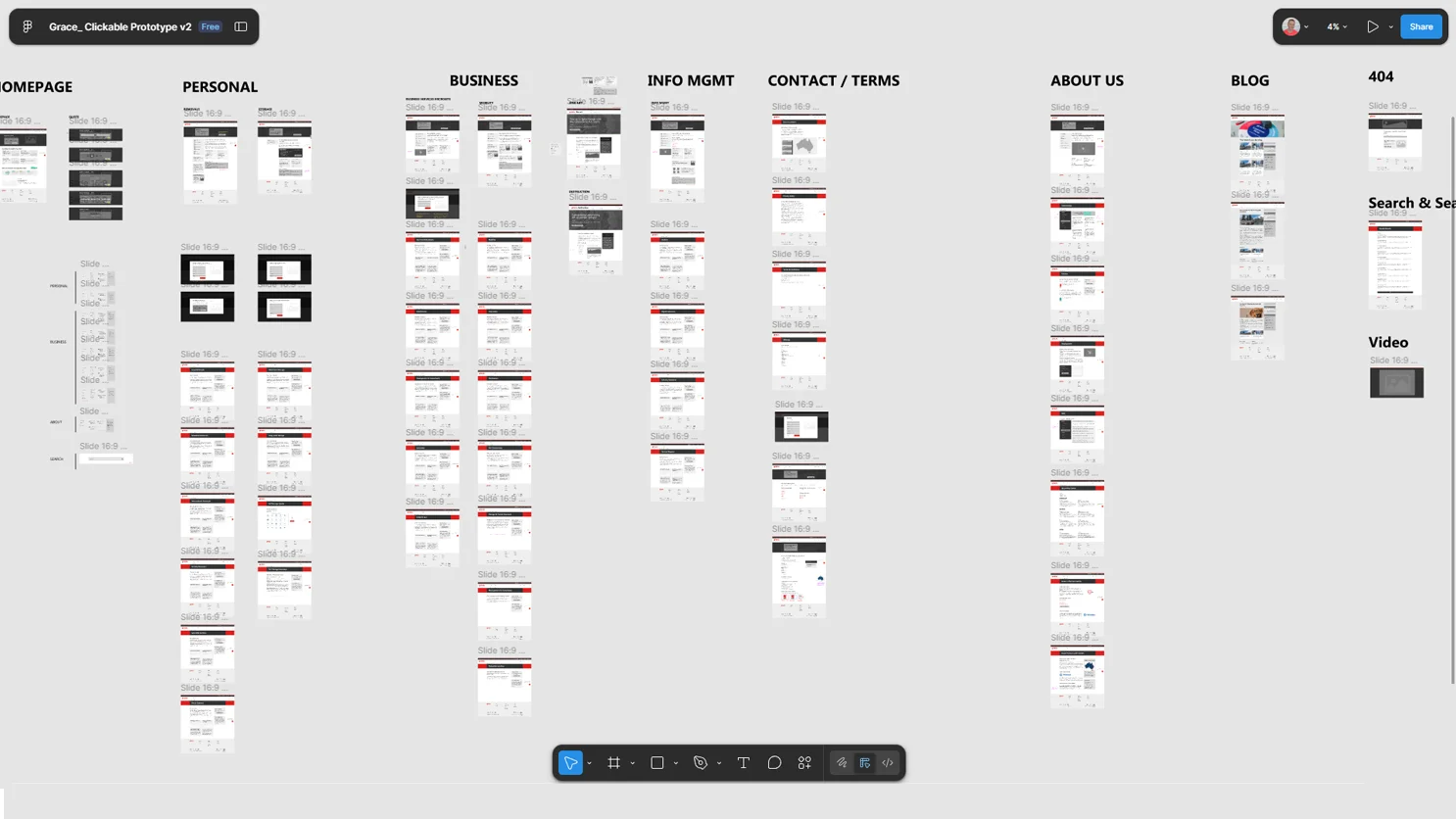
Key outcomes from workshop sessions — transparent pricing for destruction and self-storage, improved quote flows, B2B cross-selling capability, and audience-split navigation were all flagged as priority areas.
Designed for the
person making the decision.
Three target audience profiles — developed as part of the agency's brand strategy — were used to anchor the UX. Rather than full research-driven personas, these represent the core archetypes Grace needed to speak to across residential and commercial: the organised family moving home, the efficiency-driven corporate buyer, and the commercial manager who needs a trusted specialist.

Harriet Home
Residential Customer
Organised, Protective, Caring
Believes
Professional removalists provide peace of mind at a time of high stress — helping safely relocate the family home and valuables.
Priorities
- Personal service — going the extra mile
- Communication — proactively informed
- Punctuality — be there when promised
- Professionalism — expert service and advice
What Creates Barriers
- Price — wants value for money
- Rapport — needs to trust the sales team
- Silence — lack of communication
Buying Triggers
Premium service quality · Added value · Brand recognition
Decision Cycle
Short — Emotional
Chris Corporate
Corporate Buyer (Unisex)
Professional, Discerning, Time Poor
Believes
Trusted expertise and experience are invaluable to corporate efficiency when managing the company's tangible and intangible assets.
Priorities
- Expertise — proven experience and tailored solutions
- Value — prepared to pay for holistic outcomes
- Personal service — reactive to business needs
- Security & safety
What Creates Barriers
- Price — needs justification for added value
- Expertise — not enough perceived authority
- Technology — expects digital advancement
- Silence — lack of communication
Buying Triggers
Premium quality · Personalised added value · Holistic end-to-end management
Decision Cycle
Long — Account-Driven
Clara Commercial
Commercial Manager
Resourceful, Discerning, Collaborative
Believes
Time is money — expert advice and efficient service is critical to the delivery of his requirements.
Priorities
- Quality Standards & Credentials
- Trust — wants a reliable specialist
- Competitive Pricing — pays premium for proven partners
- Wants to be the highest priority
What Creates Barriers
- Price — looking for added value
- Credibility — lack of proven experience
- Silence — communication and availability
Buying Triggers
Superior service · Premium quality · Holistic end-to-end solution
Decision Cycle
Medium — TransactionalTwo front doors.
One unified brand.
The single most impactful structural change was splitting the site into two distinct audience pathways — Residential and Commercial — so that every visitor is immediately routed into an experience built for them. Content, tone, cross-selling and calls to action are all differentiated from that point forward.
The second major intervention was the mega menu — a full-width navigation layer that, on click, exposes the complete range of services organised by category. It replaced a navigation structure so dense that users were giving up and leaving, and gave Grace's full service breadth the visibility it deserved for the first time.
Mega Menu Navigation
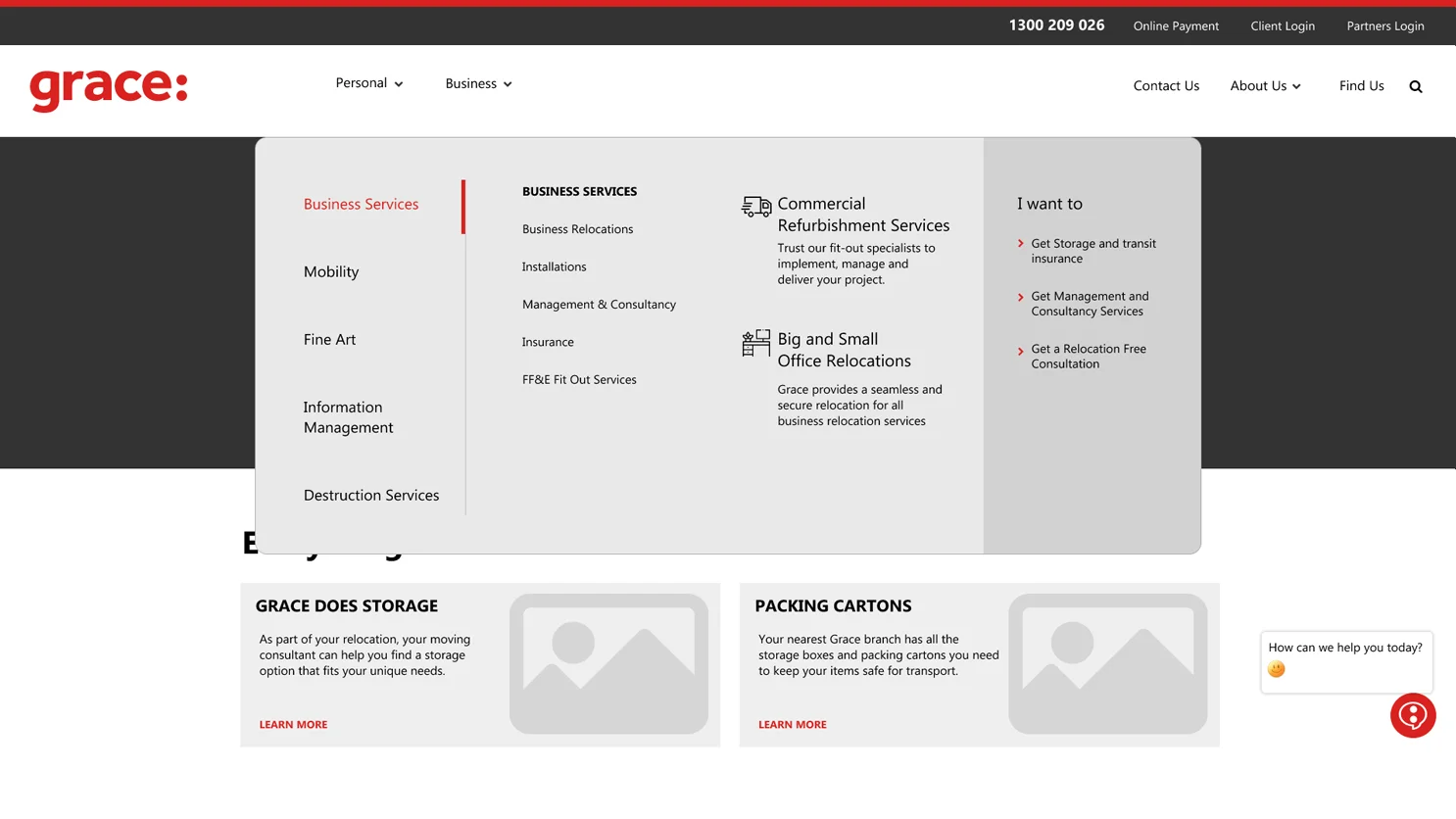
The mega menu replaced a flat, overloaded navigation with a structured full-width panel — surfacing Grace's complete service offering in a single, scannable view without ever leaving the page.
Four weeks well spent.
A full set of desktop and mobile low-fidelity wireframes — covering the dual residential/commercial architecture, mega menu navigation, redesigned quote flows, service landing pages and cross-sell pathways — delivered for handoff to their UI designer within the four-week engagement. A 117-year-old brand, finally with a website structure worthy of its scale.